

Past masters: the films of 2012
Full web edition, introduced in our January 2013 issue
It may be a coincidence, but the seeming demise of film as we know it has coincided with a poll result that enshrines films that cast their eyes back over the history of cinema. By Nick James.
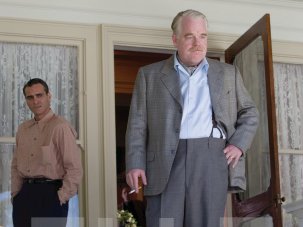
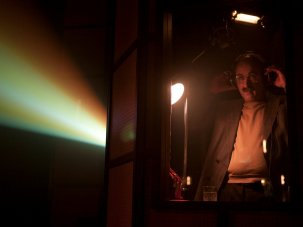
Commentators have been preaching uncertainty as the abiding state of cinema for so long now that we should probably concede that the condition is permanent. Ergo, 2012 was another watershed year, marked out as the moment that the 35mm film print largely disappeared from our cinemas. Which makes The Master a truly apposite film of the year, since part of its uniqueness was the possibility – available in a few cities – of seeing it projected on a 70mm print rather than the new industry standard DCP.
That gorgeous period film, brought so vividly to life by Paul Thomas Anderson, might end up being remembered as analogue film projection’s last gasp. Unless, that is, the admirable rearguard action being fought by the likes of the Austrian Film Museum (see our Forum-section debate of our January 2013 issue) provokes a similar niche revival to the one that saw vinyl make a comeback in the music industry. Of course, a small bounce-back for analogue cinema is a more slender hope than the vinyl revival because film projection requires a chain of services – stock and chemicals manufacturers, labs and technicians – that seems near-impossible to sustain without the mass production that studios supplied.
Nonetheless, nostalgia was a dominant theme among the year’s critical successes. Miguel Gomes’s Tabu (2nd), with its paean to early ethnographic and adventure films, seems as obvious a manifestation of this as Peter Strickland’s tribute to Italian horror cinema, Berberian Sound Studio (=5th). Leos Carax’s multi-story idea splurge Holy Motors (4th) was equally happy to plunder art cinema’s past, just as a different kind of personal iconographic nostalgia accounts for Wes Anderson’s elaborate tribute to prepubescent romance, Moonrise Kingdom (7th).
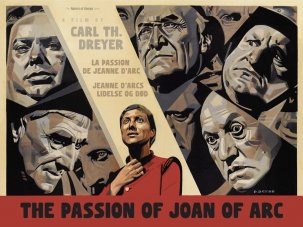
Yet it would be wrong to claim that these directors are backward-looking. There is a believable sense in which the difference between present-day films and those made 30, 40, 50 or more years ago has become less important, especially as we consume old films often under better conditions than they were originally seen. The recent Masters of Cinema DVD restoration of The Passion of Joan of Arc, for instance, is as much a new experience as an old one since it eliminates so many distracting flaws. And the sense that there is vastly more to be rediscovered and, perhaps, plundered or repurposed by new filmmakers is surely a hopeful regenerative sign.
However wonderful watching battered old prints may be, to lament their passing is arguably a more hopeless form of nostalgia. Far better to celebrate the popularity of restored film – such as the screenings of Hitchcock’s silent films in the UK this year. Their success points to cinemagoers having a more direct connection with early cinema. It may be something to do with the immediacy of early film, which matches the immediate way we all use our cameras. The best example of that directness here is Jafar Panahi’s This Is Not a Film (=8th). But as resourceful and inventive as it is, Panahi’s film is also eloquent of the frustrations of small digital cameras, as if the meagre resources are part of the restrictions on Panahi’s movements, and his triumph is in spite of them.
If Amour (3rd), Once upon a Time in Anatolia (=8th, and victim of a split vote with last year) and Beyond the Hills (=8th) are great examples of regular arthouse cinema, Cronenberg’s Cosmopolis (=8th) seems more like an aggressive seizing of anti-cinematic ground, confining itself as it does to the interior of a stretch limo that seems a more unrealistic venue even than its twin in Holy Motors. (Yet that seemingly ‘fake’ interior is simply an update of the back-projection in Hitchcock.)
Leaving the list behind, 2012 was remarkable for several phenomena. British idiosyncrasy came to the fore in Danny Boyle’s outstanding opening ceremony for the Olympics, in the new Bond film Skyfall, in Ben Wheatley’s Sightseers and in Strickland’s Berberian. Cannes had a rare weak year, to the benefit of Berlin, Venice and Toronto, and festivals in general all now suffer from the increased competition that the general policy of expand-or-die imposes. Despite impactful films from Assayas (Something in the Air) and Carax (Holy Motors), French cinema doesn’t seem to be nurturing new talent very well, while Chinese, Japanese and Korean cinema are either in the doldrums or being wilfully neglected by international festivals and distributors.
Perhaps the biggest impact of all on cinema is that of social media. The speed with which word gets out from the earliest screenings is playing hell with the ecosystem of film distribution, yet it is also nurturing a new mode of cinema commentary. At Cannes, for instance, a writer’s most effective impact on the future of a film may be made in 140 characters, the minute the film is over. A sobering thought, but we skate on, however thin the ice.
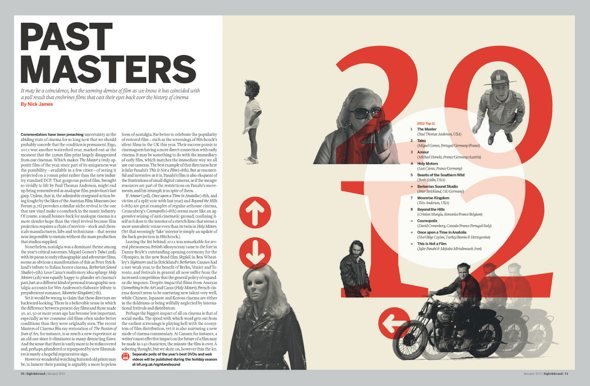
The top 11 films of the year
1
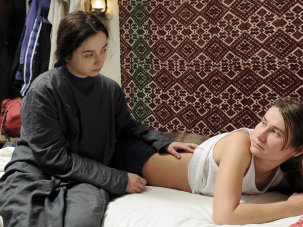
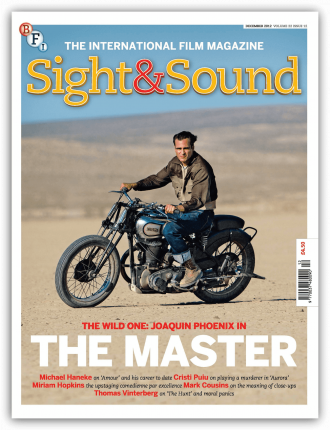
The Master
Paul Thomas Anderson, USA
The sheer, radioactive strangeness of the film is what exerts the initial grip – then the oustanding performance of Joaquin Phoenix as Freddie Quell. Perhaps it should have been called ‘The Disciple’.
—Peter Bradshaw
→ Read Nick Pinkerton’s review online
→ Read Graham Fuller’s analysis of the film and James Bell’s interview with Paul Thomas Anderson in our December 2012 issue [Subscribers’ link]
2
Tabu
Miguel Gomes, Portugal / Germany / France
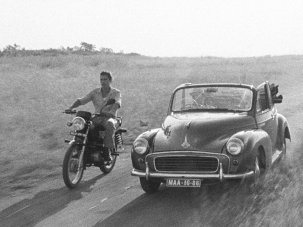
In turning a melancholy drama about three lonely women in modern Lisbon into an African colonial idyll of adulterous love, Portuguese director Miguel Gomes pulled off the year’s greatest conjuring trick.
—Graham Fuller
→ Read Trevor Johnston’s review online
→ Read Mar Diestro-Dópido’s interview with Miguel Gomes in our September 2012 issue [Subscribers’ link]
3
Amour
Michael Haneke, France / Germany / Austria
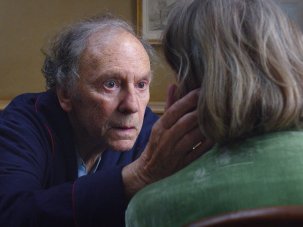
A devastating experience that joins Michael Haneke’s icy, immaculate style to an intrinsically emotional subject: what happens to a harmonious marriage when the wife suffers a series of debilitating strokes.
—Kenneth Turan
→ Read Catherine Wheatley’s review online
→ Read Geoff Andrew’s career interview with Michael Haneke in our November 2012 issue [Subscribers’ link]
4
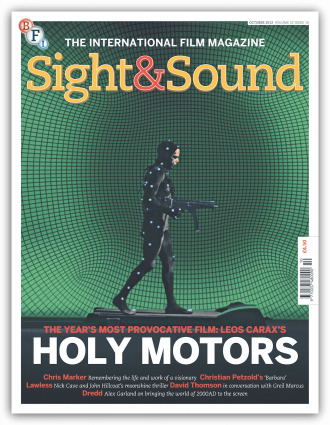
Holy Motors
Leos Carax, France / Germany
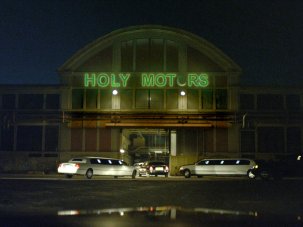
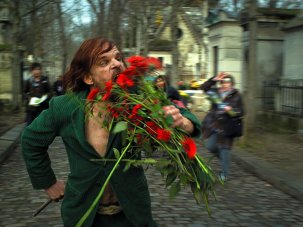
Born from the womb of cinephilic history, raised into a many-headed beast, dangerous and passionate, it shows how cinema can recall its past and augur its future.
—Kong Rithdee
→ Read Ginette Vincendeau’s review online
→ Read David Thompson’s decoding of the film in our September 2012 issue [Subscribers’ link]
5=
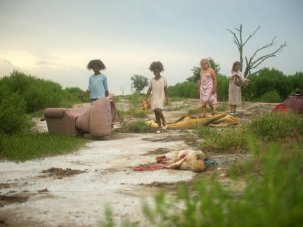
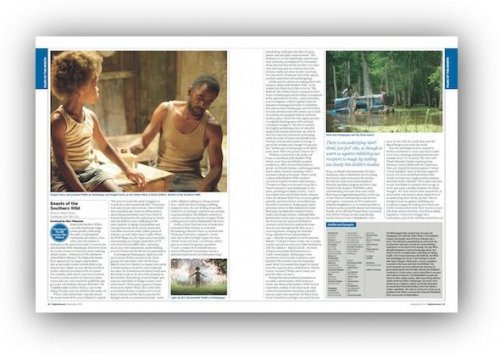
Beasts of the Southern Wild
Benh Zeitlin, USA
I’ll never forget Quvenzhané Wallis cookin’ up a storm with a blowtorch, or the miracles unfolding in the sweaty Cajun bayou. First features don’t get much better.
—Kate Muir
→ Read Isabel Stevens’ interview with Benh Zeitlin online
→ Read Nick Pinkerton’s review in our November 2012 issue [Subscribers’ link]
5=
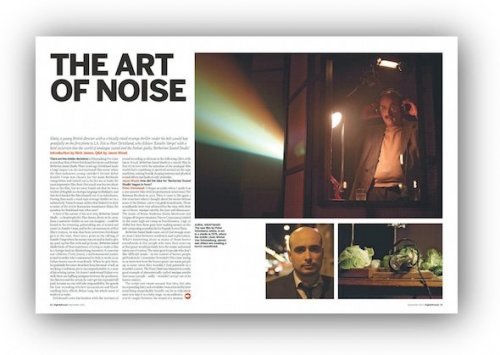
Berberian Sound Studio
Peter Strickland, UK / Germany
Sound is pivotal in Peter Strickland’s blackly comic, stylish and off-kilter riff on 1970s Italian horror, which thumbs its nose at English pastoral roots – with a very English irreverence.
—Carmen Gray
→ Read Sam Davies’ review online
→ Read Jason Wood’s interview with Peter Strickland and Geoffrey Macnab’s with Toby Jones in our September 2012 issue [Subscribers’ link]
7
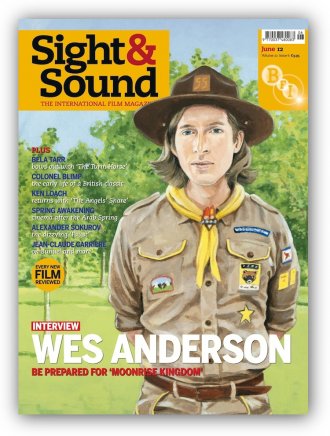
Moonrise Kingdom
Wes Anderson, USA
Wes Anderson’s film struck a chord in its exuberant use of Benjamin Britten’s music, but I also loved it for its great humour and surprising (for this director) humanity.
—David Thompson
→ Read Nick Pinkerton’s interview with Wes Anderson in our June 2012 issue [Subscribers’ link] and Sam Davies’ review in our July 2012 issue [Subscribers’ link]
8=
Beyond the Hills
Cristian Mungiu, Romania / France / Belgium
The brilliant final scene cemented my faith in Cristian Mungiu’s sensitive and searing realisation of this story – based on real events – of a disruptive intruder persecuted by a religious community.
—Nick James
→ Read Geoff Andrew’s festival blog post online
8=
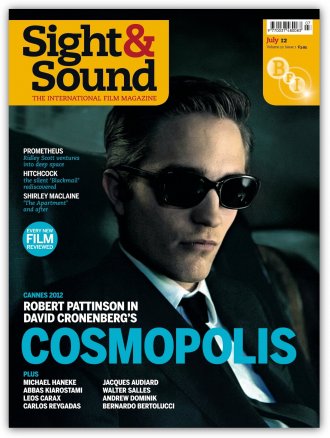
Cosmopolis
David Cronenberg, Canada / France / Portugal / Italy
David Cronenberg’s sleek adaptation of Don DeLillo’s urban road movie, as elegant, cool and rebarbative as the stretch limo Robert Pattinson’s antihero travels in.
—Philip French
→ Read Jonathan Romney’s interview with David Cronenberg and Nick James’s review in our July 2012 issue [Subscribers’ link]
8=
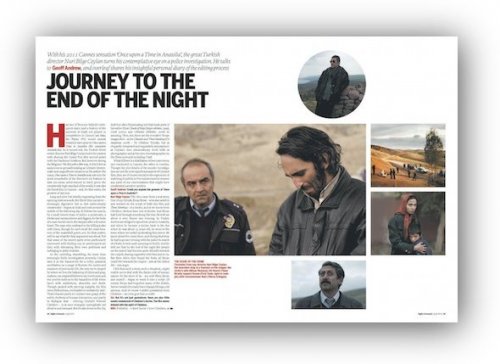
Once upon a Time in Anatolia
Nuri Bilge Ceylan, Turkey / Bosnia & Herzegovina
Like a nod to Yilmaz Güney’s 1982 classic Yol, Nuri Bilge Ceylan’s film takes on the multilayers of Turkish life in an epic road movie. Perfect cinema, for me.
—Suzy Gillett
→ Read Geoff Andrew’s interview with Nuri Bilge Ceylan on page 28 and Wally Hammond’s review on page 72 of our April 2012 issue [Subscribers’ link]
8=
This Is Not a Film
Jafar Panahi & Mojtaba Mirtahmaseb, Iran
A sketch for an imagined film, an essay on both the nature of reality and the ever-expanding properties of lo-fi digital cinema, this is a funny and moving portrait of the artist as prisoner of conscience.
—Sophie Mayer
→ Read Amy Taubin’s festival report online
→ Read Jonathan Romney’s review on page 78 of our April 2012 issue [Subscribers’ link]
And the next 14…
11
Leviathan
Lucien Castaing-Taylor & Véréna Paravel, France / UK / USA
A real fish-eye view of deep-sea trawling. It’s purgatorial and exhilarating at the same time, with images we’ve never seen before.
—Tom Charity
→ Read Nick Bradshaw’s CPH:DOX and Kieron Corless’s Viennale festival reports in our January 2013 issue [Subscribers’ link]
12=
Nostalgia for the Light
Patricio Guzmán, France / Germany / Chile / USA
One of the very few masterpieces of 21st-century cinema, this immaculately made essay about the most profound human concerns reminds us what truly matters.
—Gareth Evans
→ Read Chris Darke’s extended online interview with Patricio Guzmán
→ Read Tony Rayns’ review on page 64 of our August 2012 issue [Subscribers’ link]
12=
No
Pablo Larraín, Chile / USA / Mexico
Ingeniously conceived, Larraín’s snapshot of media-massaged people power is a brilliant capper to a trio of films that, through their formal disparities, reframe a country’s rupture in audacious fashion.
—Matthew Taylor
→ Read Demetrios Matheou’s Cannes festival blog post
12=
Skyfall
Sam Mendes, USA / UK
To my delight, Mendes gave us a past-the-sell-by-date Bond for a dying Empire. M, surprisingly, turned out to be the greatest Bond Girl ever – a magnificent Judi Dench, aged 77. Plus Roger Deakins’s cinematography.
—Kate Muir
→ Read Henry K Miller’s review online
15=
The Last Time I Saw Macao (A Ultima Vez Que Vi Macau)
João Pedro Rodrigues & João Rui Guerra da Mata, France / Portugal / Macao
Not only do Rodrigues and da Mata do for Macao (and Macao) what Chris Marker did for Vertigo and San Francisco – they also work wonders with dogs, docks and an ongoing poetry of absence.
—Jonathan Rosenbaum
→ Read David Jenkins’ Busan International Film Festival report in our December 2012 issue [Subscribers’ link]
15=
Neighbouring Sounds (O Som ao Redor)
Kleber Mendonça Filho, Brazil
This socially incisive Brazilian film employs startlingly innovative sound design to contribute to an architecture of paranoia.
—Carmen Gray
→ Read Álvaro Arroba’s IndieLisboa festival blog post
→ Read Edward Lawrenson’s New Horizons festival blog post
15=
Margaret
Kenneth Lonergan, USA
Six years after wrapping, Lonergan’s film equivalent of the archetypal difficult second album finally emerged in its original three-hour cut, the better to display its novelistic density and the acuity of its central mother-and-daughter portrait.
—Michael Brooke
→ Read Michael Brooke’s DVD review
→ Read Vadim Rizov on the film’s long gestation on page 9 of our January 2012 issue [Subscribers’ link], and Matthew Taylor’s review on page 72 of our February 2012 issue [Subscribers’ link]
18=
Killing Them Softly
Andrew Dominik, USA
A trawl through the seediest side of the US economy that goes all out on sordid atmosphere and flick-knife sharp observation, it’s talky, street-smart and as tricky as the snakes and weasels that populate this blighted corner of America.
—Wendy Ide
→ Read Trevor Johnston’s review online
18=
The Turin Horse
Béla Tarr, Hungary / Switzerland / Germany / France / USA
Invoking apocalypse – albeit of the whimper rather than the bang variety – Tarr’s swansong is a relentlessly sombre deconstruction of the father, daughter and eponymous nag’s humble ecosystem, culminating in the woman’s loss of will to survive and the disappearance of the light.
—Graham Fuller
→ Read Kieron Corless’s review online
→ Read Jonathan Romney’s interview with Béla Tarr and DP Fred Keleman on his collaboration with the director in our May 2012 issue [Subscribers’ link]
18=
Rust and Bone
Jacques Audiard, France / Belgium
Alongside its sensual intensity, this is one of the most astute films so far about the extreme options open to working-class characters at a time when community and economic survival are both under brutal attack.
—Nick Hasted
→ Read Thomas Dawson’s interview with Jacques Audiard and Philip Kemp’s review in our November 2012 issue [Subscribers’ link]
18=
Sightseers
Ben Wheatley, UK
Delectably pitch-black comedy from actor-screenwriters Alice Lowe and Steve Oram, with Ben Wheatley confirming his status as the most refreshingly offbeat and unpredictable of British crime-movie directors.
—Philip Kemp
→ Read Philip Kemp’s review online
→ Read Ben Walters’ interview with Wheatley, Lowe and Oram on page 30 of our November 2012 issue [Subscribers’ link]
18=
Damsels in Distress
Whit Stillman, USA
The rare campus-comedy genre visits private worlds that reflect the eccentricities we recognise deep down.
—Armond White
→ Read Kate Stables’ review online
→ Read Nick Pinkerton’s interview with Whit Stillman in our May 2012 issue [Subscribers’ link]
18=
Dredd
Pete Travis, UK / USA / India
With a million times more zarjaz than the feeble Stallone version, here at last is a Judge Dredd that readers of his comic-strip exploits in 2000AD will recognise and appreciate. And Karl Urban’s square-jawed future cop doesn’t take his helmet off once.
—Vic Pratt
→ Read Kim Newman’s analysis of the film, David Jenkins’ interview with Alex Garland and Henry K. Miller’s review in our October 2012 issue [Subscribers’ link]
18=
Two Years at Sea
Ben Rivers, UK
In a world of clunky prose films, this is a piece of poetry – of the visual and musical sort, since there is almost no dialogue in Rivers’s remarkable mystical portrait of a Scottish hermit, except when the hairy old gent finds a rusting can in a rotting caravan and says, “Beans!” Shot on mucky 16mm in black and white, the film cools the blood wonderfully.
—Kate Muir
→ Read Andréa Picard’s interview with Ben Rivers and Jonathan Romney’s review in our May 2012 issue [Subscribers’ link]